

Introduction
In the state-of-the-art rapid-paced digital age, it’s no secret that technology has grown to be an essential part of our everyday lives. From smartphones and social media to streaming services and online gaming, the digital international offers endless possibilities and comfort. However, there may be a darkish side to this Digital revolution – Digital dependency. While it can now not be as effortlessly obvious as substance dependence, virtual dependency may be simply as dangerous, affecting our mental, bodily, and emotional well-being. In this blog post, we’ll discover the signs of digital addiction and provide practical recommendations on a way to find a more healthy stability to your virtual lifestyles.
The Rise of Digital Addiction
Before we resolve the intricacies of spotting Digital addiction tell-tale symptoms, it’s paramount to apprehend the profound ameliorations that have led us to this juncture. In current years, technological progress has surged forward at an almost breath-taking pace. The internet, once a luxury reserved for the privileged few, has now evolved into a critical thing of each day lifestyles for the considerable majority. Our smartphones have seamlessly incorporated themselves into our very lifestyles, presenting unbound access to a universe of information, enjoyment, and social connections. While these technological advancements have absolutely bestowed infinite blessings upon us, they’ve concurrently led in a brand new set of demanding situations.
Digital addiction, frequently used interchangeably with terms like internet dependency or technology dependency, is a soreness characterized through the compulsive and excessive utilization of virtual devices and on-line platforms. Its manifestations are diverse, encompassing addictions to social media, online gaming, streaming content material consumption, or maybe the compulsive checking of emails and messages. The attraction of digital experiences can be so fascinating that people discover themselves ensnared in a web of compulsive conduct, struggling to interrupt loose, and ultimately suffering destructive effects across diverse dimensions of their lives.
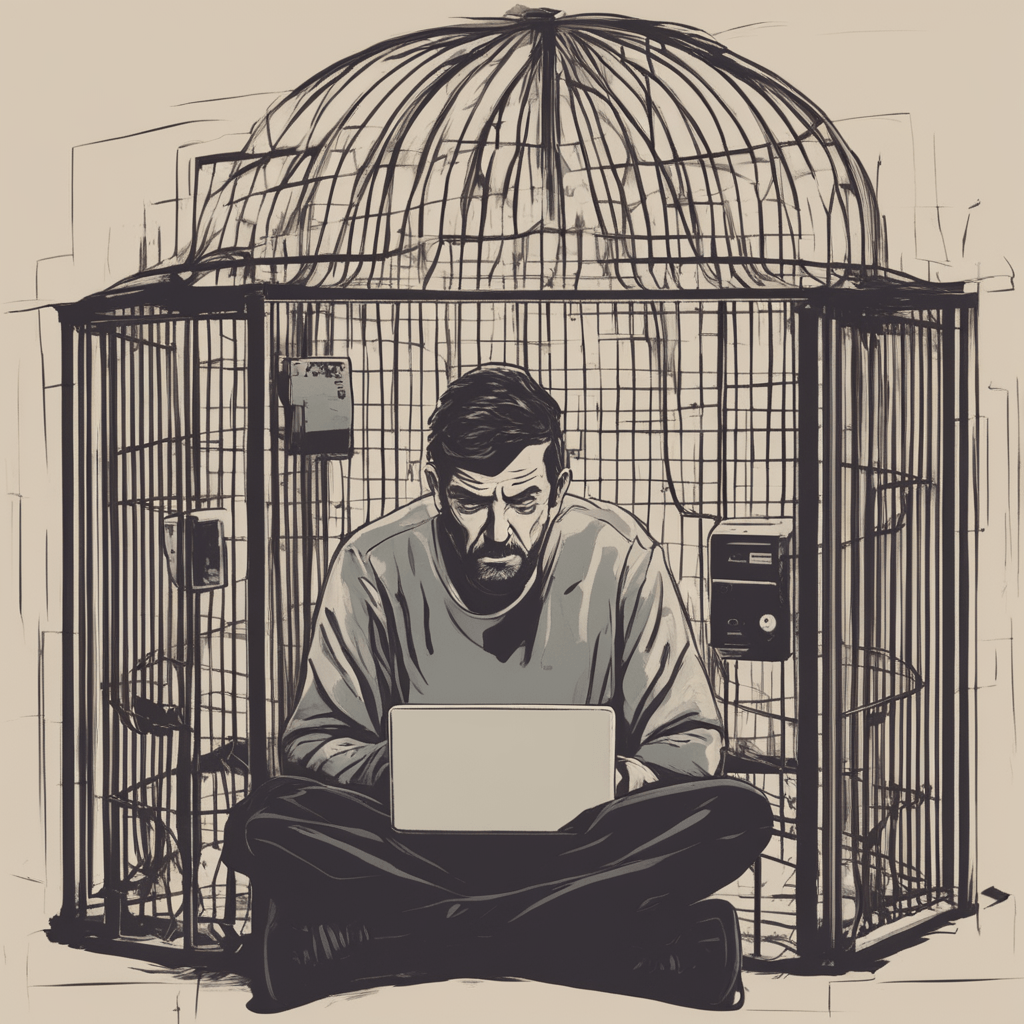
The upward thrust of virtual addiction isn’t merely an effect of our increasing reliance on technology; it’s also a mirrored image of the profound impact these technologies have on our lives. As we navigate the virtual realm, we’re bombarded with a regular flow of notifications, a curated selection of content material tailor-made to our possibilities, and a digital international that offers limitless opportunities and entertainment. It is amidst this virtual panorama that addiction can take root, slowly but honestly encroaching upon our every day workouts and displacing actual-global experiences.
Understanding the scope and magnitude of digital addiction is the first step in addressing this modern-day task. In the subsequent sections, we can delve deeper into the signs and outcomes of virtual addiction, shedding light on the way to pick out and combat this pervasive difficulty in our digital age.
Spotting the Signs
Recognizing the signs and symptoms of digital addiction is the first step closer to addressing the issue. While these signs and symptoms may range from character to person, they usually fall into several categories:
- Increased Screen Time: One of the maximum obvious signs and symptoms is an exponential increase in display time. If you locate yourself spending more hours in front of your pc, smart phone, or different digital gadgets than you used to, it is able to be a crimson flag.
- Neglecting Responsibilities: Digital dependency frequently results in neglecting vital responsibilities inclusive of work, faculty, or household chores. You may procrastinate or fail to meet time limits due to your immoderate digital consumption.
- Social Isolation: Digital addicts tend to withdraw from actual-international social interactions in favour of online connections. If you are spending greater time communicating with friends or acquaintances online than in character, it is a caution signal.
- Negative Impact on Mental Health: Digital addiction can take a toll to your mental fitness. Feelings of anxiety, depression, or irritability when you’re now not online or when you’re unable to get entry to your preferred digital activities are commonplace signs.
- Physical Health Decline: Prolonged display time can lead to physical health issues, such as eye pressure, poor posture, and disrupted sleep styles. If you’re experiencing these signs and symptoms, it may be connected to your digital addiction.
- Loss of Interest in Real-Life Activities: A clean signal of Digital addiction is a dwindled hobby in interests, sports, or different activities you once enjoyed. Your virtual habits may additionally have taken over your lifestyles to the factor where not anything else appears attractive.
- Failed Attempts to Cut Back: If you’ve tried unsuccessfully to lessen your digital intake or have made promises to cut back but again and again relapse into your old habits, you may be dealing with addiction.
Finding Balance and Breaking Free
Now that you’ve diagnosed the signs of digital addiction, the next step is to discover stability and regain control over your virtual existence. Here are a few practical steps to help you to overcome digital addiction:
- Self-Awareness: Start through acknowledging the extent of your digital addiction. Recognize the effect it is having on your lifestyles, relationships, and standard nicely-being. This self-consciousness is crucial for motivating change.
- Set Boundaries: Establish clear obstacles in your virtual utilization. Define specific times whilst you will engage with virtual gadgets and persist with those limits. For example, you can designate certain hours of the day as “display-free” time.
- Digital Detox: Consider taking short breaks or virtual detoxes. This includes briefly disconnecting from all Digital gadgets and online systems. Use this time to pay attention to real-life activities, connect with cherished ones, and recharge your intellectual and emotional batteries.
- Prioritize Real-Life Relationships: Make an attempt to nurture your actual-lifestyles relationships. Spend great time with your own family and friends, engage in face-to-face conversations, and participate in activities that fortify your social connections.
- Find Alternative Hobbies: Rediscover or explore new offline interests and pursuits. Whether it is reading (9 Best Books to Break Tech Addiction), painting, playing a musical device, or pursuing a recreation, carrying out non-digital activities can be satisfying and help lessen the pull of digital dependence.
- Seek Professional Help: If you find it challenging to control your digital addiction to your very own, don’t hesitate to look for professional help. Therapists and counsellors can offer treasured steering and techniques for coping with digital addiction.
- Use Apps and Tools: Ironically, the internet also can help combat digital addiction. Various apps and equipment are available that can tune your screen time, set utilization limits, and even block entry to positive apps or websites during particular hours.
- Practice Mindfulness: Mindfulness strategies may be relatively effective in combating digital addiction. Learning to be a gift inside the moment, dealing with pressure, and controlling impulses can all contribute to a more fit dating with technology.
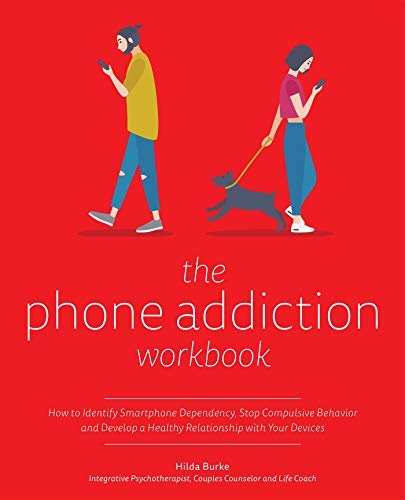
There are many Books which helps to Break Tech Addiction, but you can try with the “The Phone Addiction Workbook: How to Identify Smartphone Dependency, Stop Compulsive Behavior and Develop a Healthy Relationship with Your Devices” an old-fashioned paper copy.
Conclusion
Digital addiction is a growing concern in our hyperconnected global environment. It’s important to understand the signs and symptoms and take proactive steps to regain manipulation over your digital existence. While generation offers many advantages, it has to enhance our lives instead of dominating them. By placing digital limits, prioritizing real-life connections, and in search of help when wished, you could break loose from digital addiction and find a healthier stability in your lifestyles. Remember, it’s now not about removing technology absolutely but the usage of it mindfully and moderately to acquire an extra enjoyable and balanced lifestyle.
Frequently Asked Questions:
A. What is the difference between digital addiction and internet addiction?
Digital addiction is a broader term that encompasses addiction to various digital devices and activities, including but not limited to the internet. Internet addiction specifically refers to the excessive use of online activities and content, such as social media, online gaming, or web browsing. In essence, internet addiction is a subset of digital addiction.
B. Can digital addiction have long-term effects on physical health?
Yes, digital addiction can have long-term effects on physical health. Prolonged screen time and sedentary behaviour associated with digital addiction can lead to issues such as eye strain, poor posture, obesity, sleep disturbances, and even more severe conditions like carpal tunnel syndrome. Additionally, excessive screen time can contribute to a more sedentary lifestyle, which is linked to various chronic health problems.
C. Is it possible to prevent digital addiction altogether?
While it may be challenging to prevent digital addiction entirely in today’s tech-savvy world, it is possible to reduce the risk by promoting healthy digital habits from an early age. Setting boundaries, practicing moderation, and encouraging a balance between online and offline activities can help mitigate the risk of digital addiction.
D. How can digital addiction impact academic performance?
Digital addiction can have a significant negative impact on academic performance. Excessive screen time and online distractions can lead to poor concentration, reduced productivity, and procrastination, which can result in lower grades. Additionally, the negative effects on sleep and mental health can further hinder academic success.
E. Are there any warning signs that parents should look out for in children?
Parents should be vigilant for signs of digital addiction in their children, including increased screen time, neglect of schoolwork or chores, social withdrawal, mood swings, and a preoccupation with digital devices. Changes in behavior, declining academic performance, and disrupted sleep patterns can also be indicators of a potential problem.
F. How does digital addiction affect relationships and social interactions?
Digital addiction can strain relationships and hinder social interactions. Individuals addicted to digital devices may become more focused on online connections, neglecting real-life relationships. This can lead to feelings of isolation and detachment from family and friends. Additionally, excessive screen time during social gatherings can disrupt face-to-face interactions.
G. Can digital addiction be considered a mental health disorder?
While digital addiction is not currently classified as a standalone mental health disorder in diagnostic manuals like the DSM-5, it shares similarities with other addictive behaviours. Some experts advocate for recognizing it as a behavioural addiction, but further research is needed to establish clear diagnostic criteria.
H. What are some alternative activities to reduce digital dependency?
- There are several alternative activities that can help reduce digital dependency, including:
- Outdoor activities like hiking, biking, or sports.
- Reading physical books or magazines.
- Engaging in creative hobbies such as painting, crafting, or playing a musical instrument.
- Volunteering or participating in community activities.
- Practicing mindfulness and meditation to stay present in the moment.
- Establishing a regular exercise routine.
- Joining clubs or social groups with shared interests.
- Learning a new skill or taking up a course in a non-digital subject.
By incorporating these activities into your daily life, you can reduce your dependency on digital devices and find a healthier balance between the digital world and the real world.