
Table of Contents
Introduction:
In today’s fast-paced world, the act of eating has become rushed and mindless for many. We often find ourselves eating on the go, distracted by screens or thoughts, and disconnected from the experience of nourishing our bodies. This is where mindful eating comes in—a practice that invites us to slow down, savor each bite, and cultivate a deeper awareness of our relationship with food.
Mindful eating is more than simply taking note of what we eat; it is about how we eat. It involves bringing our complete interest to the present moment, engaging all our senses, and drawing close meals with curiosity and compassion.

Importance of Mindfulness in Daily Life:
Mindfulness is the practice of being absolutely present and engaged in the moment, without judgment. It has been proven to reduce stress, improve intellectual clarity, and enhance overall well-being. By making use of mindfulness to eating, we can transform our relationship with food and nourish each of our bodies and minds.
In this blog post, let’s explore the concept of mindful eating and how it can transform our relationship with food.
The Basics of Mindful Eating
A. Definition of Mindful Eating
Mindful eating is an ancient practice rooted in Buddhist teachings and meditation practices. It’s about taking note of the experience of eating, such as the sensations of taste, scent, texture, or even the sounds of chewing. Mindful eating encourages us to slow down and appreciate every bite, bringing our full recognition to the present moment.
B. Origins of Mindful Eating Practices
The concept of mindful eating has its roots in historic Buddhist traditions, wherein monks practiced mindful eating as a form of meditation. In more current years, mindful eating has gained popularity within the West as a manner to promote healthful eating habits and overall well-being.
C. Key Principles of Mindful Eating
- Eating Slowly and Savoring Each Bite.
Eating slowly allows us to completely enjoy the flavors and textures of our food. By savoring each and every bite, we can derive greater satisfaction from our meals and feel more happy with smaller quantities.
- Paying Attention to Hunger and Fullness Cues
Mindful eating encourages us to concentrate on our bodies and eat in response to physical hunger rather than emotional cues. By tuning into our hunger and fullness alerts, we are able to keep away from overeating and preserve a healthy weight.
- Engaging All the Senses While Eating
When we interact with all our senses while eating, we enhance the sensory experience of our meals. Notice the colours, smells, and sounds of your food, and recognize the splendor and abundance of nature’s bounty.
- Cultivating Gratitude for Food
Take a moment to express gratitude for the meals on your plate and the hands that prepared it. Cultivating an experience of gratitude can enhance our appreciation for the nourishment food provides and deepen our connection to the world around us.
- Non-Judgmental Awareness of Thoughts and Emotions Related to Eating
Mindful eating invites us to have a look at our mind and feelings around food without judgment or attachment. By developing a non-judgmental attention, we can break free from unhealthy eating patterns and cultivate a greater balanced relationship with food.
Benefits of Mindful Eating
A. Improved Digestion and Nutrient Absorption
When we eat mindfully, we supply our bodies the time they want to properly digest and take in vitamins from our food. By chewing thoroughly and listening to our body’s alerts, we are able to assist most desirable digestion.
B. Weight Management and Prevention of Overeating
Mindful eating encourages us to eat in response to bodily hunger instead of emotional cues. By being attentive to our body’s hunger and fullness indicators, we’re much less likely to overeat and much more likely to preserve a healthful weight.
C. Enhanced Enjoyment of Food
When we slow down and appreciate every chew, we will completely appreciate the flavors and textures of our meals. Mindful eating allows us to derive greater pleasure from our food and experience a deeper sense of delightfulness.
D. Reduced Stress and Anxiety Around Eating
Mindful eating can assist alleviate strain and anxiety associated with food with the aid of fostering a sense of calm and presence during meals. By letting go of worries about calories or judgments about what we “should” or “shouldn’t” eat, we can enjoy our food more fully.
E. Increased Awareness of Food Choices and Preferences
By bringing mindfulness to our eating habits, we turn out to be more attuned to our food choices and the way they affect our bodies and minds. We may also discover new ingredients we enjoy or observe styles in our eating habits that we can alter for greater well-being.
F. Enhanced Mind-Body Connection
Mindful eating fosters a deeper connection between our minds and our bodies, allowing us to better understand the alerts our bodies send us about starvation, fullness, and delight. By tuning into those signals, we can make choices that guide our normal fitness and well-being.
How to Practice Mindful Eating
A. Mindful Eating Exercises
- The Raisin Exercise
The raisin exercise is a classic mindfulness exercise that involves observing a single raisin with all of your senses earlier than eating it. Take some moments to maintain the raisin in your hand, noticing its texture, coloration, and form. Then, bring it for your nose and inhale deeply, noticing any scents or aromas. Next, place the raisin in your mouth and roll it around on your tongue, exploring its taste and texture. Finally, slowly chew the raisin, listening to how it feels in your mouth and the sensations it evokes.
- Mindful Breathing Before Meals
Before you begin consuming, take some deep breaths to center yourself and bring your attention to the present moment. Close your eyes if it feels comfortable, and recognize the sensation of your breath as it enters and leaves your body. This easy exercise can help calm your thoughts and put you together for a mindful eating experience.
- Bringing Awareness to Each Bite
As you eat, focus on every bite of meals as if it were the first time you have ever tasted it. Notice the sensations in your mouth—the flavors, textures, and temperatures—and how your body responds to the nourishment. Avoid speeding through your meal, and as an alternative, take some time to savor each bite completely.
- Mindful Eating Journaling
Keep a journal to track your eating habits, noting the ingredients you eat, the way you experience earlier than and after meals, and any insights or observations that arise. Writing down your thoughts and studies assist you to emerge as extra aware about your consuming patterns and perceive areas for development.
B. Incorporating Mindfulness into Mealtime Routine
- Setting the Atmosphere for Mindful Eating
Create a peaceful environment for meals by placing the table with care and eliminating distractions like TV or electronic devices. Light a candle, play a smooth track, or without a doubt sit in silence to create a sense of calm and presence all through meals.
- Choosing Whole, Nutritious Foods
Opt for foods which can be minimally processed and rich in nutrients, which includes fruits, vegetables, whole grains, and lean proteins. By nourishing your body with wholesome meals, you may feel more satisfied and energized throughout the day.
- Eating Without Distractions
Focus completely on eating during meal times, warding off multitasking or eating on the go. Turn off the TV, put away your cell phone, and give yourself the gift of undivided attention in your food and the experience of eating.
- Listening to Hunger and Fullness Cues
Check in along with your body throughout the meal to gauge your level of hunger and fullness, and regulate your eating accordingly. Eat slowly and mindfully, being attentive to how your body feels as you nourish it with meals.
- Mindful Eating in Social Settings
Practice mindful eating even if eating with others, enjoying the company and conversation while still paying attention to your meals and the way it makes you experience. Engage in meaningful conversation, savoring every bite, and cultivating a sense of gratitude for the shared enjoyment of eating together.
Overcoming Challenges in Mindful Eating
- Dealing with Distractions and Temptations
Mindful eating can be difficult in a world filled with distractions and temptations. With busy schedules, regular notifications, and an abundance of food choices, it is easy to lose focus and mindlessly consume without awareness. However, by implementing strategies to control distractions and temptations, you can domesticate a greater conscious approach to eating.
One powerful strategy is to create a supportive environment for mindful eating. This may additionally contain putting apart dedicated time and space for meals, free from distractions including tv, telephones, or computers. Instead, choose to eat in a relaxed, quiet environment wherein you can absolutely focus on the sensory experience in consuming.
Additionally, practice self-compassion while distractions unavoidably arise. It’s natural to come upon moments of temptation or mindlessness, however beating yourself up over them will best perpetuate negative patterns. Instead, approach those moments with kindness and understanding. Remind yourself that mindfulness is a skill that takes time and practice to develop, and each moment is a possibility for increasing and gaining knowledge of.
Experiment with mindfulness techniques to assist anchor your attention during meals. For example, you could choose to focus on your breath, the sensations of chewing, or the flavors and textures of your meals. By bringing your attention back to the existing second on every occasion it wanders, you can cultivate greater cognizance and appreciation for the eating experience.
Remember that development in mindful eating is not linear, and setbacks are a natural part of the adventure. Be patient with yourself as you navigate the ups and downs, and have fun with your successes along the way. With dedication and perseverance, you can conquer distractions and temptations, and cultivate a more healthy, extra mindful courting with food.
- Managing Emotional Eating Triggers
Emotional eating is a common impediment to mindful eating, as many of us turn to food for consolation or distraction from hard emotions. It’s critical to understand the underlying triggers that lead to emotional eating and increase alternative coping strategies to deal with them efficiently.
One approach is to exercise self-awareness by tuning into your emotions and identifying the unique triggers that prompt you to consume. Keep a journal to track your thoughts and feelings surrounding food, noting any patterns or recurring themes. By gaining insight into your emotional eating triggers, you could begin to deal with them more efficiently.
Once you have identified your triggers, recognize growing opportunity coping techniques to address difficult emotions. This can also contain engaging activities that provide comfort and support without resorting to food. For instance, you might strive journaling to express your feelings, going for a stroll to clear your thoughts, or carrying out a hobby or innovative outlet that brings you joy.
It’s also vital to cultivate self-compassion and kindness toward yourself as you navigate the challenges of emotional eating. Acknowledge that emotional eating is a common coping mechanism and that you’re no longer alone in struggling with it. Instead of berating yourself for succumbing to emotional eating, practice self-compassion with the aid of treating yourself with gentleness and understanding.
Practice mindfulness in moments of emotional distress by bringing your interest to the present moment without judgment. Notice the sensations for your body, the thoughts in your mind, and the emotions you are experiencing without seeking to change them. By allowing yourself to sit with uncomfortable emotions without delay looking for remedy through food, you may increase greater resilience and emotional regulation over time.
Lastly, are seeking assistance from a trusted friend, family member, or mental health professional in case you’re struggling to manage emotional eating on your own. Talking openly about your feelings and reviews can provide valuable perspective and support, assisting you to develop more healthy coping mechanisms and break free from the cycle of emotional eating.
By practicing self-awareness, self-compassion, and mindfulness, you may learn to respond to your emotions in an extra positive manner and domesticate a more healthier relationship with meals and eating.
C. Patience and Persistence in Cultivating Mindfulness
Like any skill, mindful eating takes time and exercise to broaden. Be patient with yourself as you embark on this journey in the direction of a healthier courting with meals. It’s normal to encounter demanding situations and setbacks along the way, however it’s critical no longer to be discouraged by using them. Remember that every moment presents an opportunity to begin anew, and that every mindful bite brings you one step towards your goals.
As you cultivate mindfulness in your eating habits, allow yourself to embody the procedure with curiosity and compassion. Notice any resistance or self-judgment that arises, and gently guide yourself back to the present moment with kindness and understanding.
Practice self-care by nurturing your body with nourishing foods and honoring its hunger and fullness cues. Be mindful of the language you use to talk to yourself about food and your body, and strive to cultivate a nice and supportive inner talk.
Seek support from friends, family, or a qualified expert if you locate yourself struggling with mindful eating or dealing with obstacles that feel overwhelming. Remember that you are not alone on this journey, and that there’s no shame in requesting help when you need it.
Above all, believe within the system and believe in your capability to cultivate mindfulness in your eating habits. With staying power, endurance, and a dedication to self-discovery, you can create a healthier, happier relationship with meals that nourishes your body, mind, and soul.
Mindful Eating and Global Wellness
A. Cultural Aspects of Mindful Eating
Mindful eating practices vary throughout cultures, reflecting different traditions, ideals, and values surrounding food. Exploring these cultural perspectives can enrich our know-how of mindful eating and its role in global wellness. For example, in Japanese culture, there is a sturdy emphasis on mindfulness and appreciation for food, with practices like “shojin ryori” (Buddhist vegetarian cuisine) and “kaiseki” (traditional multi-course meals) emphasizing the importance of savoring each bite and honoring the ingredients.
B. The Impact of Mindful Eating on Environmental Sustainability
Mindful eating isn’t simply useful for individual health but also for the health of the planet. By choosing regionally sourced, sustainably grown foods and decreasing food waste, we can limit our environmental footprint and support a more sustainable food system. According to research, food production is a major contributor to greenhouse gas emissions, deforestation, and habitat loss, so adopting mindful eating habits can help mitigate these environmental impacts and promote a healthier planet for future generations.
C. Mindful Eating in the Context of Food Insecurity and Access
Access to nutritious meals is a global issue, with hundreds of thousands of people around the world going through food insecurity. Mindful eating can play a role in addressing this issue by promoting awareness of food inequities and supporting initiatives that improve access to healthy, affordable food for all. For instance, community-based food programs, which include food banks, community gardens, and farmers’ markets, can help increase access to fresh, nutritious foods in underserved communities. By advocating for policies that address the root causes of food insecurity, such as poverty, inequality, and lack of access to education and healthcare, we can work towards a more just and equitable food system for all.
Mindful Eating Resources
A. Books on Mindful Eating
“Mindful Eating: A Guide to Rediscovering a Healthy and Joyful Relationship with Food” by Jan Chozen Bays

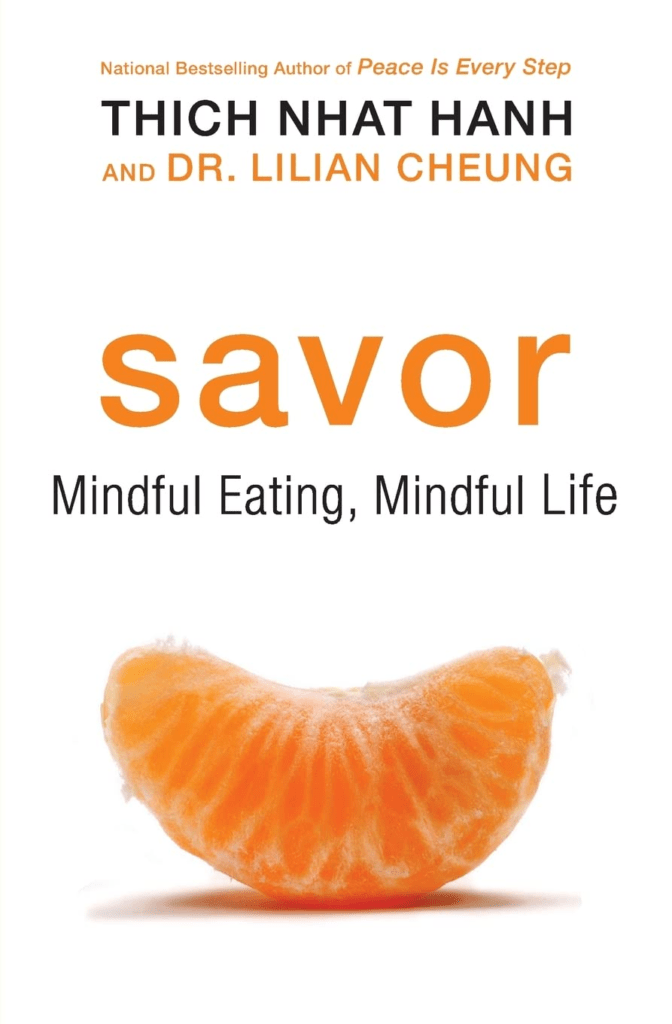
“Savor: Mindful Eating, Mindful Life” by Thich Nhat Hanh and Lilian Cheung
B. Online Courses and Workshops
The Center for Mindful Eating (TCME): Offers online courses and workshops on mindful eating for both professionals and the general public.
Mindful.org: Provides a variety of resources on mindfulness, including articles, videos, and online courses related to mindful eating.
C. Apps for Mindfulness and Meditation
Headspace: Offers guided meditations and mindfulness exercises, including specific practices for mindful eating.
Insight Timer: Provides a wide range of guided meditations and mindfulness courses, including those focused on mindful eating.
Conclusion
In conclusion, mindful eating is an effective practice that may remodel our relationship with meals and nourish each of our bodies and minds. By slowing down, savoring each bite, and bringing focus to our eating habits, we can cultivate greater health, happiness, and well-being. I encourage you to start incorporating mindfulness into your eating habits today and experience in the transformative power of savoring every bite.
Explore additional resources on health and fitness to enhance your well-being:
- The 5 Impacts of Quality Sleep on Overall Wellbeing
- Enhancing Creativity Through Mindfulness: A Journey to Unleash Your Inner Genius
- Cardiovascular Health: Running vs. Cycling, which one is BETTER ?
FAQs:
- What is mindful eating, and why is it important?Answer: Mindful eating involves focusing entirely on the present moment while eating, which helps us slow down, appreciate our food, and develop a healthier relationship with it.
- How can I incorporate mindfulness into my eating habits?Answer: Practice mindful eating exercises, create a peaceful atmosphere for meals, choose whole, nutritious foods, and eat without distractions to incorporate mindfulness into your eating habits.
- What are the benefits of mindful eating?Answer: Benefits include improved digestion, weight management, enhanced enjoyment of food, reduced stress, increased awareness of food choices, and an improved mind-body connection.
- How can I overcome challenges in mindful eating, such as distractions and emotional eating triggers?Answer: Create a supportive environment, practice self-compassion, experiment with mindfulness techniques, identify emotional eating triggers, and develop alternative coping strategies.
- How does mindful eating contribute to global wellness?Answer: Mindful eating encourages awareness of food inequities, supports access to healthy food for all, and promotes environmental sustainability by reducing food waste.
- What resources are available to learn more about mindful eating?Answer: Books like “Mindful Eating: A Guide to Rediscovering a Healthy and Joyful Relationship with Food,” online courses from organizations like The Center for Mindful Eating, and mindfulness apps like Headspace and Insight Timer offer resources for learning about mindful eating.
These FAQs and answers provide a comprehensive overview of mindful eating, its benefits, challenges, and resources available for further exploration.