
Table of Contents
Introduction
In the latest digital age, our smartphones have grown to be more than simply communication devices. They are powerful tools that can track our steps, monitor our heart rate, and even provide us with nutritional guidance. Health apps have flooded the marketplace, promising to help us achieve our fitness goals, manipulate chronic situations, and live more healthy lives. But do those apps simply deliver on their guarantees, or are they just some other tech fashion? In this blog post, we’ll explore the arena of fitness apps and take a look at whether they actually make us healthier.
The Rise of Health Apps
Health apps have experienced an explosive boom in recent years. The Apple App Store and Google Play Store are flooded with lots of fitness and wellbeing apps catering to numerous desires. From fitness trackers to meditation courses, calorie counters to sleep monitors, there appears to be an app for almost every aspect of our health and well-being. But what has fueled this fast proliferation of health apps?
- Accessibility and Convenience:
- Health apps make health and fitness statistics quite simply reachable to customers, right at their fingertips.
- They permit people to track their progress, set goals, and make informed choices about their health.
- Personalization:
- Many health apps offer personalized recommendations based on user data, helping individuals tailor their health routines to their specific needs and goals.
- Connectivity:
- Some fitness apps connect users to groups of like-minded individuals, fostering motivation and guidance.
- Integration with Wearables:
- Health apps frequently integrate seamlessly with wearable gadgets like smartwatches, making it even easier to track and control health metrics.
The Promises of Health Apps
Health apps include a host of promises, a number of which consist of:
- Improved Physical Fitness: Fitness apps declare to help users reap their health goals by imparting exercising plans, tracking development, and imparting motivational capabilities.
- Weight Management: Calorie-counting apps promise to assist users in coping with their weight by means of tracking food consumption and offering nutritional guidance.
- Chronic Disease Management: Apps targeted at individuals with continual conditions like diabetes or hypertension offer tools to track important signs and medicinal drug schedules.
- Stress Reduction: Meditation and mindfulness apps pledge to reduce pressure and improve mental well-being through guided relaxation techniques..
- Better Sleep: Sleep tracking apps aim to help users recognize their sleep patterns and offer recommendations to improve sleep quality.
But do those promises keep up beneath scrutiny? Let’s take a more in-depth look.
The Reality of Health Apps
While fitness apps have the ability to offer treasured support for enhancing fitness and well-being, they’re now not without their limitations and challenges:
- User Engagement: Many customers download health apps with superb enthusiasm however regularly get bored or lose motivation over time. This lack of sustained engagement can restrict the effectiveness of those apps.
- Data Accuracy: The accuracy of records gathered through fitness apps, in particular the ones counting on mobile sensors, may also vary. For example, step counts or heart rate measurements may not always be precise.
- Privacy Concerns: Users must often share personal health data with these apps, raising concerns about privacy and data security.
- Lack of Personalization: While some apps declare to offer personalization, the extent of customization can also fall short of individual desires and preferences.
- Potential for Obsession: In some cases, customers may come to be overly passionate about monitoring their fitness metrics, which could result in stress and anxiety.
- Not a Substitute for Professional Advice: Health apps aren’t a substitute for medical professionals. Users should talk over with healthcare providers for critical health concerns.
The Verdict: Can Health Apps Make Us Healthier?
The effectiveness of health apps in making us more healthy ultimately depends on several factors:
- User Commitment: Success with health apps frequently hinges on the user’s dedication and willingness to incorporate the app’s pointers into their daily routine.
- App Quality: High-exceptional, evidence-based apps are much more likely to yield fantastic outcomes. Users must research and pick apps with legitimate evaluations and endorsements.
- Realistic Expectations: Understanding that health apps are tools, not magical solutions, is crucial. They can provide guidance and support, but real health improvement requires effort and time.
- Integration into Lifestyle: Integrating app guidelines into one’s lifestyle and making sustainable changes is key to long-term success.
- Monitoring Progress: Regularly reviewing and adjusting health goals primarily based on app records can help users stay on course.
Expanding the Discussion on Health Apps
So far , we’ve mentioned the promises and realities of health apps, emphasizing the importance of user commitment and app quality. Now, let’s delve deeper into some specific categories of health apps and their potential benefits and drawbacks.
Fitness Tracking Apps:
Fitness tracking apps are perhaps the most widely used category of health apps. They come with more than a range of features, from step counting to GPS tracking for outdoor activities. These apps regularly combine with wearable devices, making it simpler to display physical activities. Their purpose is to inspire users to live actively, set fitness goals, and offer analytics to analyze development.
Benefits:
- Motivation: Fitness apps offer real-time feedback, which can encourage users to be extra energetic and acquire their health desires.
- Accountability: Sharing development with friends or in-app groups can create a sense of accountability.
- Goal Setting: Users can set precise fitness targets and track their development over time.
Drawbacks:
- Accuracy: The accuracy of step counts and calorie expenditure estimates can vary amongst gadgets and apps.
- Overreliance: Some users might also turn out to be overly reliant on these apps, leading to anxiety if goals are not met.
- Sustainability: Long-term engagement may be hard, and users can also get bored through the years
Nutrition and Diet Apps:
Nutrition and diet apps help users make healthier food choices, count calories, and track their daily intake. They often provide a database of foods and their nutritional values, making it easier to plan meals.
Benefits:
- Awareness: These apps can increase awareness of nutritional conduct and help users make more informed choices.
- Weight Management: Tracking food consumption can be useful for the ones seeking to manage their weight.
- Personalized Plans: Some apps offer personalized diet plans and recipes based totally on individual goals.
Drawbacks:
- Time-Consuming: Entering each meal and snack can be time-consuming, which might also deter a few users from regular use.
- Focus on Quantity: Calorie counting can also overshadow the importance of food with fine and normal nutrients.
- Potential for Obsession: Constant monitoring can result in an unhealthy fixation on food and body image.
Mental Health and Well-being Apps:
Mental health apps have gained recognition as tools for coping with pressure, anxiety, and promoting overall well-being. They offer features such as guided meditation, relaxation exercises, and mood tracking.
Benefits:
- Stress Reduction: Meditation and mindfulness apps can assist customers lessen stress and improve mental clarity.
- Accessibility: These apps offer easy access to mental health resources, making it feasible to seek assistance on-the-go.
- Self-Awareness: Mood monitoring features allow users to perceive patterns of their emotional well-being.
Drawbacks:
- Not a Substitute for Therapy: While these apps may be useful, they’re now not an alternative choice to professional intellectual health remedy when wanted.
- User Engagement: Like other health apps, constant use and engagement can be a challenge.
Sleep Tracking Apps:
Sleep monitoring apps aim to enhance sleep pleasantness by tracking sleep patterns and providing pointers for higher sleep hygiene.
Benefits:
- Insight: These apps offer insights into sleep patterns and disturbances, helping customers become aware of issues.
- Sleep Hygiene Tips: Many apps provide suggestions for enhancing sleep quality, consisting of growing a snooze-pleasant surroundings.
Drawbacks:
- Accuracy: Sleep monitoring via smartphones or wearables might not continually correctly constitute sleep stages.
- Sleep Obsession: Constantly monitoring sleep can cause tension and sleep-related stress.
Chronic Disease Management Apps:
Apps designed for chronic ailment management, including diabetes or high blood pressure, allow users to track vital signs, medications, and talk with healthcare providers.
Benefits:
- Improved Self-Management: These apps empower people to take manage in their fitness and adhere to remedy plans.
- Remote Monitoring: Healthcare providers can remotely monitor patients, enhancing the control of chronic conditions.
Drawbacks:
- Privacy Concerns: Sharing medical facts with apps may additionally boost worries about records safety and privacy.
- Reliability: Users should consider the accuracy of those apps, specifically with regards to medicinal drug reminders and crucial sign measurements.
Additional Factors Impacting Health Apps
The Role of User Feedback and Reviews:
One great thing that contributes to the effectiveness of health apps is the feedback loop between users and developers. Many health apps actively encourage users to offer feedback and critiques, helping developers recognize what works and what desires development. This feedback-driven approach can lead to app updates that enhance usability and capabilities, making the apps more powerful and user-friendly.
Gamification and Motivation:
To keep users engaged, many health apps contain gamification factors. These consist of badges, demanding situations, and rewards for accomplishing milestones. Gamification not only makes the experience more enjoyable but also boosts motivation. Users often find themselves more committed to their health goals when there’s a sense of competition or achievement involved.
Social Support and Community:
Some health apps recognize the significance of social help in achieving and preserving health goals. These apps allow users to connect to friends or join groups of like-minded people with similar health goals. This sense of community can provide motivation, accountability, and a platform for sharing reviews and suggestions.
The Power of Wearable Devices:
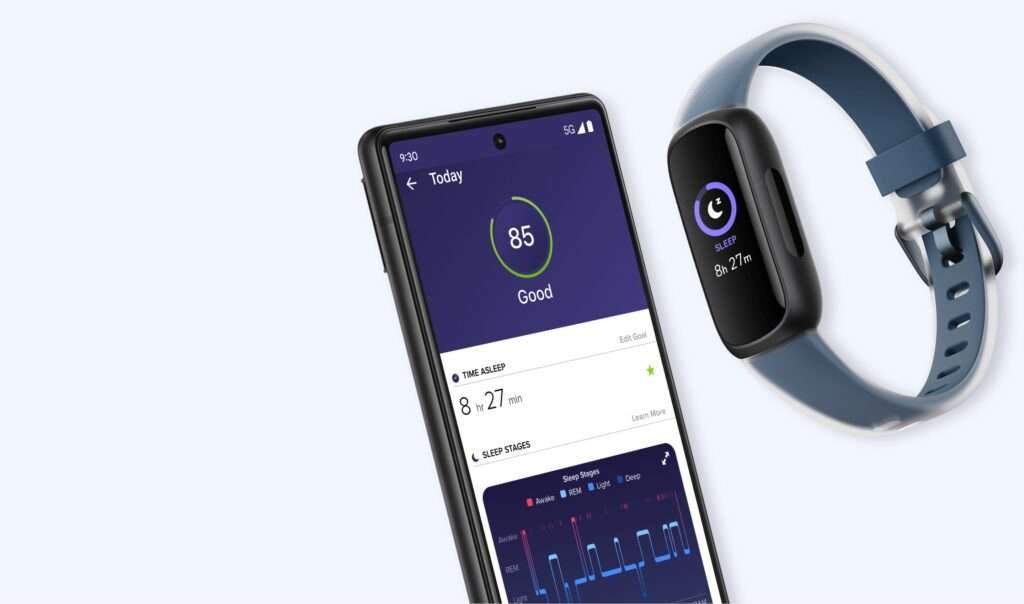
The integration of health apps with wearable gadgets has transformed the way we monitor our fitness. Wearable devices like smartwatches and health trackers can offer real-time statistics and seamless synchronization with health apps. This integration not only complements the accuracy of health information but also makes tracking more convenient.
Emerging Technologies:
The field of health apps keeps evolving with emerging technologies. For instance, Artificial intelligence (AI) and devices gaining knowledge are being employed to offer more personalized recommendations and insights. AI can analyze great amounts of data to discover patterns and offer tailored steering, making health apps even more effective.
Data Sharing and Healthcare Providers:
As health apps gain recognition, healthcare providers are beginning to apprehend their potential benefits. Some providers now encourage patients to use certain health apps as part of their remedy plans. These apps can facilitate remote monitoring and communication among patients and healthcare professionals, enhancing the quality of care and allowing for more proactive interventions.
The Impact of COVID-19:
The COVID-19 pandemic accelerated the adoption of telehealth and fitness apps. Many people turned to digital solutions for remote consultations with doctors, tracking symptoms, and coping with their well-being throughout lockdowns. The pandemic underscored the ease and significance of health apps in our lives.
Addressing Privacy Concerns:
With the growing reliance on health apps, concerns about privacy and data security have come to the leading edge. Users want assurance that their private health information is being handled securely. Developers are responding by implementing stringent privacy policies, encryption measures, and personal consent mechanisms to protect sensitive information.
The Future of Health Apps:
As technology continues to advance, the future of health apps seems promising. We can count on to see even more sophisticated apps that seamlessly combine into our lives. These apps may additionally incorporate augmented reality (AR) for immersive health reports, provide real-time health monitoring through smart clothing, and utilize biometric authentication for better safety.
Incorporating Telemedicine:
Telemedicine apps, which enable digital consultations with healthcare providers, have grown to be vital gear for having access to clinical recommendation and care. These apps increase the scope of health apps beyond health and well-being, highlighting their ability to revolutionize healthcare transport.
Balancing Screen Time and Health:
One difficulty with the proliferation of health apps is the ability for extended screen time, which may have negative outcomes on mental fitness and physical well-being. Developers are increasingly more aware of this issue and are designing apps with functions that promote display time control and wholesome utilization patterns.
Health Apps for Special Populations:
Health apps also are being tailor-made to meet the needs of precise populations. There are apps designed for seniors to improve cognitive characteristics and save you from isolation, in addition to apps for children that encourage healthy behaviour from a young age. These specialized apps cater to the specific necessities of different age corporations.
Combining Multiple Health Apps:
Many customers discover it beneficial to apply more than one health app in tandem. For instance, they might use a health tracker app for bodily activity monitoring, a vitamins app to track food intake, and a meditation app for pressure discount. Integrating statistics from a couple of apps can offer a comprehensive view of one’s health and allow for extra informed decision-making.
Government Regulations and Standards:
Governments and regulatory bodies are recognizing the need to set up guidelines and standards for health apps. This guarantees that users can believe the accuracy of health statistics and data security. Compliance with those regulations can enhance user confidence in health apps.
Inclusive Design:
Developers are making efforts to ensure that health apps are accessible to individuals with disabilities. This includes capabilities which include voice instructions, display screen readers, and consumer-friendly interfaces that cater to a wide variety of customers.
Health apps – In Conclusion
In a world in which technology is seamlessly included into our daily lives, health apps have emerged as precious tools for promoting our well-being. They provide comfort, personalization, and motivation to assist us lead healthier lives. While they may be no longer a panacea, they are able to substantially make a contribution to our fitness while used thoughtfully and alongside different healthful behavior.
The effectiveness of health apps ultimately relies upon factors which include user commitment, app first-class, and practical expectancies. With advancements in technology, information security measures, and a growing understanding of user needs, health apps are poised to play a more and more essential position in our health and wellness adventure.
As we maintain to navigate the virtual panorama of fitness and well -being, it is vital to remain discerning users, staying informed approximately about the present day advancements, and making aware alternatives that align with our health goals. Health apps are equipment, and their true capability is unlocked whilst combined with a holistic approach to fitness that encompasses physical hobby, vitamins, mental proper-being, and expert clinical steerage while necessary.
In conclusion, health apps have the capability to make us more healthy, but their effect in the long run depends on how we leverage them in our pursuit of well-being. As the era continues to evolve, so too will the capabilities and effectiveness of health apps, making them treasured companions on our adventure to a more healthy and happier life.
Explore additional resources on health and fitness to enhance your well-being:
- Cardiovascular Health: Running vs. Cycling, which one is BETTER ?
- The 5 Impacts of Quality Sleep on Overall Wellbeing
- Unlocking the Power of Micronutrients: The Key to a Healthy Diet
Stay committed to your health and fitness goals with our informative articles and tips.